2014 is an historic year for Germany. It marks 100 years since the start of World War I, 75 years since the start of World War II, and 25 years since the fall of the Berlin Wall. Germany has been at the center of history in the 20th Century. Given its geographic position, it has been at the center of European history for the last two thousand years as well.

Germany holds an important place in our hearts. Beyond Barb’s professional focus, the entire family has developed an avid interest in the culture and language. While the German Exchange has served to build deep ties to a few cities in southern Germany, what we hope to do through this sabbatical is to gain a broader perspective of the sixteen states that make up Germany. We are excited to visit the Christkindlmärkte (Christmas markets) that remain such an important cultural highlight in many German cities. Among the many sights, we are eager to explore the port cities of the North Sea, to visit the Reichstag and the Haus der Wannsee Konferenz in Berlin and to take in a Bundesliga soccer match. We look forward to participating in typical German pastimes like hiking in the Black Forest, skiing in the Alps, and sampling the regional breads, sausages, and beers throughout Germany.
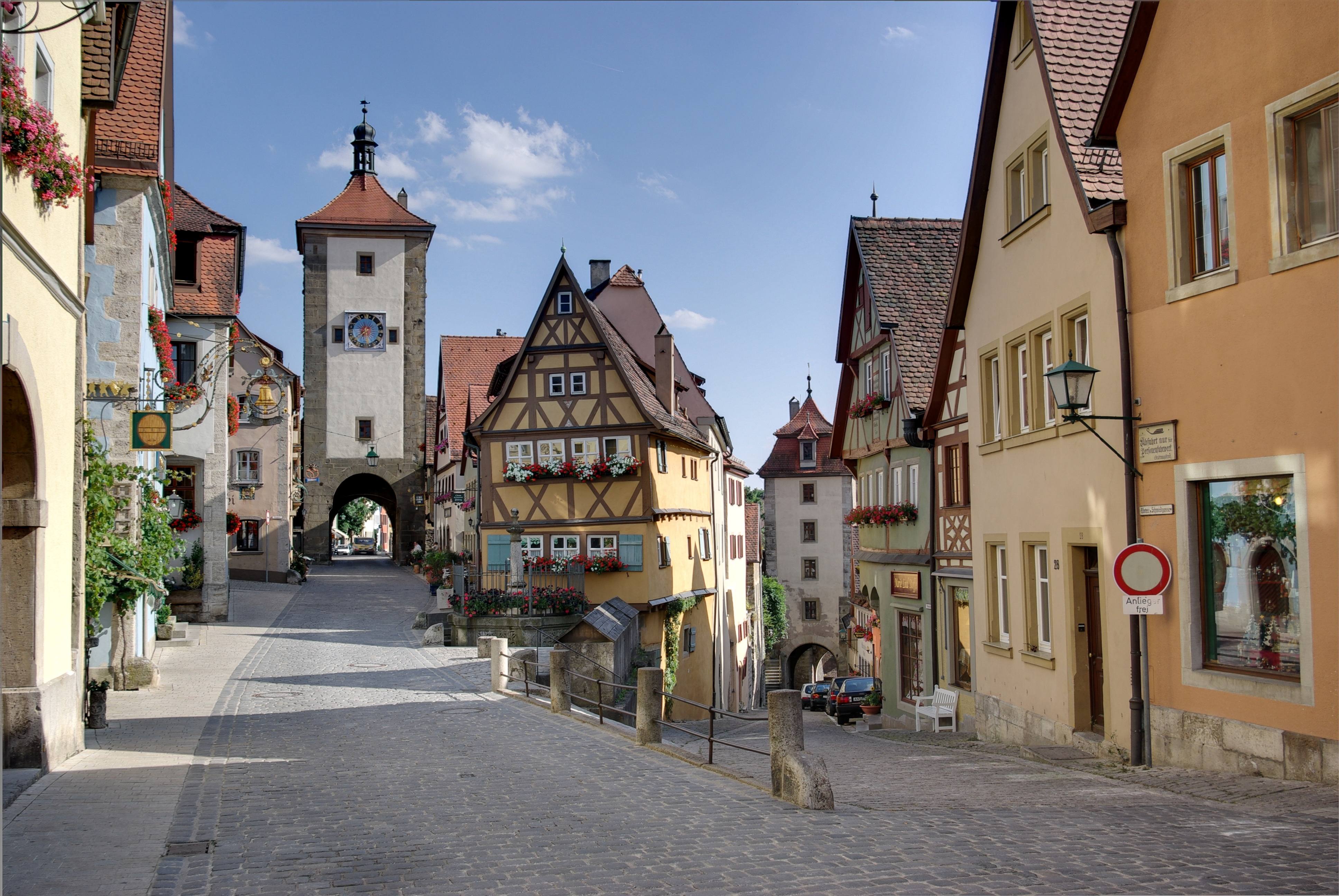
The BBA Social Studies Department continues to make the examination of primary sources central to our study of history, allowing our students to act as historians. Dave looks forward to spending some time as an historian. There is a great collection of artifacts in the Landesmuseen (local cultural museums) as well as in the larger state and national museums. High on the list are the recently released documents at the Stasi Museum in Leipzig. Beyond the museums, architecture and city planning serve as a means to discover how people lived and what was most important to them. Germany has some of the best preserved Roman ruins. In the towns of Trier, Erfurt, and Rothenburg ob der Tauber many of the streets and houses remain as they looked 800 years ago. Throughout Germany Romanesque, Gothic, and Baroque cathedrals share the skyline. The design changes demonstrated in the many castles throughout Germany reflect the changes in the way they were used. Taking in these sights will create a richer understanding of German history.
Of most direct impact in Dave’s classroom will be his deepened knowledge of 20th century Germany - the World Wars, Holocaust, and the Cold War. We currently have 9th grade units on rebuilding after genocide in Rwanda, and Apartheid in South Africa. German efforts to live with the aftermath of the Holocaust and the reunification after the distrust created during the Cold War will enrich that curriculum. Dave would also round out his knowledge of history with a deeper understanding of art, architecture, and music to add to the Humanities curriculum.

In addition to a new focus on proficiency, the Foreign Language department continues to enlarge our focus on culture as a key component in our daily instruction. It is always easier to give true insight into an area that you have experienced in person. Barb’s expanded understanding of German culture will in turn enrich the classroom experience for her students. Currently Barb uses information from textbooks and online travel videos to teach her students about cities such as Hamburg and Dresden. First-hand accounts of encounters with the landscape, the people, and the language in these cities will bring these areas to life for the students. The German V curriculum includes a unit on the division between East and West Germany with a focus on the economically imposed differences between the cultures. Observing the ongoing discrepancies between quality of life in the former East and West, and gathering evidence to share with those students will bring this lesson home for them.

For our children, we seek to create an engaging and vigourous education. Dave’s family trip through Italy in 1983 opened the door to his love of travel and his interest in how regional histories create cultural variation. Barb’s travel in Germany opened doors for her as she chipped out a piece of the Wall during her visit to Berlin in the summer of 1990. Together we want to share our love of travel, of history, of culture, and of language. It is through these experiences that we will lead our children towards a respect and appreciation for individual differences and hopefully a love of travel.
Our plan is to travel for approximately six weeks and leave the first two weeks in January to reflect on our experiences and begin to incorporate our new understandings into our curricula. We will spend the majority of the time traveling in Germany and will visit a couple of cities in Switzerland, Austria and Italy at the end of the trip.



No comments:
Post a Comment